K-Restroom Guides
Korean food, useful phrases, and comfort-first Seoul routes.
K-food wish list
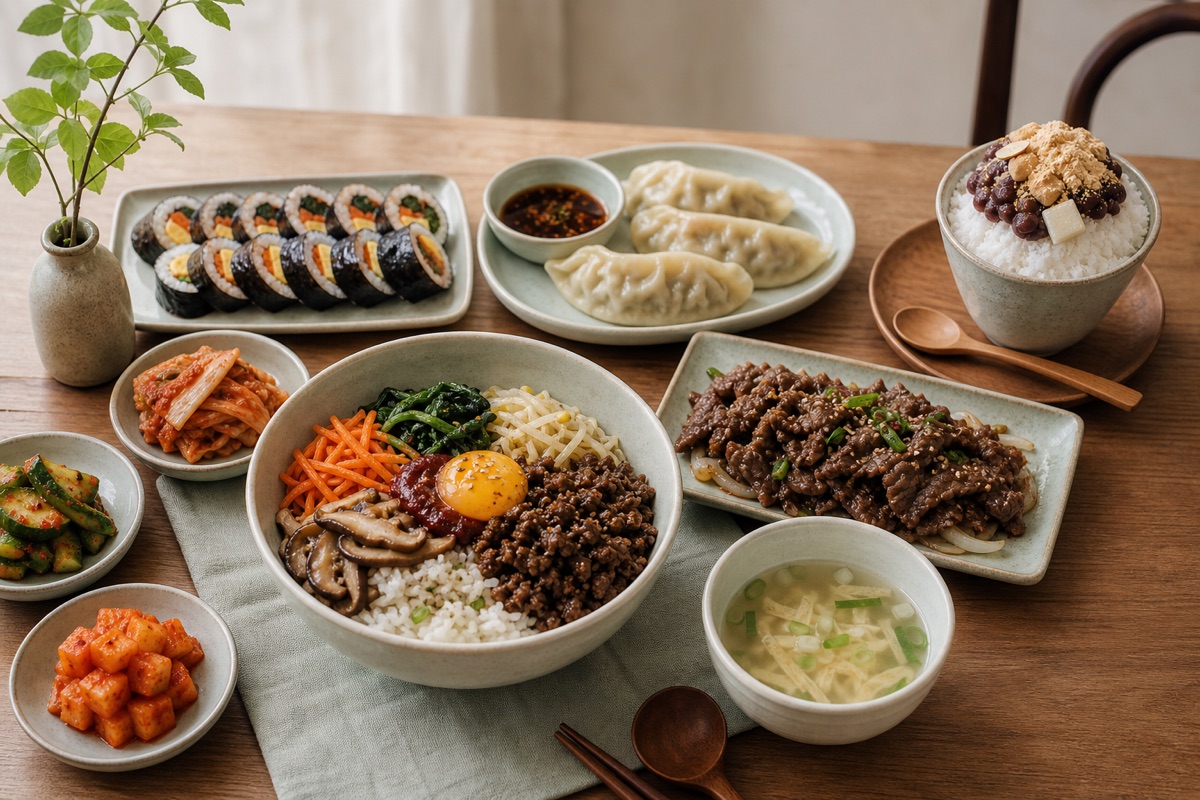
10 Korean foods for a first trip
A useful first list mixes rice, noodles, grilled dishes, soups, snacks, and dessert instead of treating Korean food as one level of heat. Use this guide to recognize it, order with fewer surprises, and keep the next restroom stop in view.
01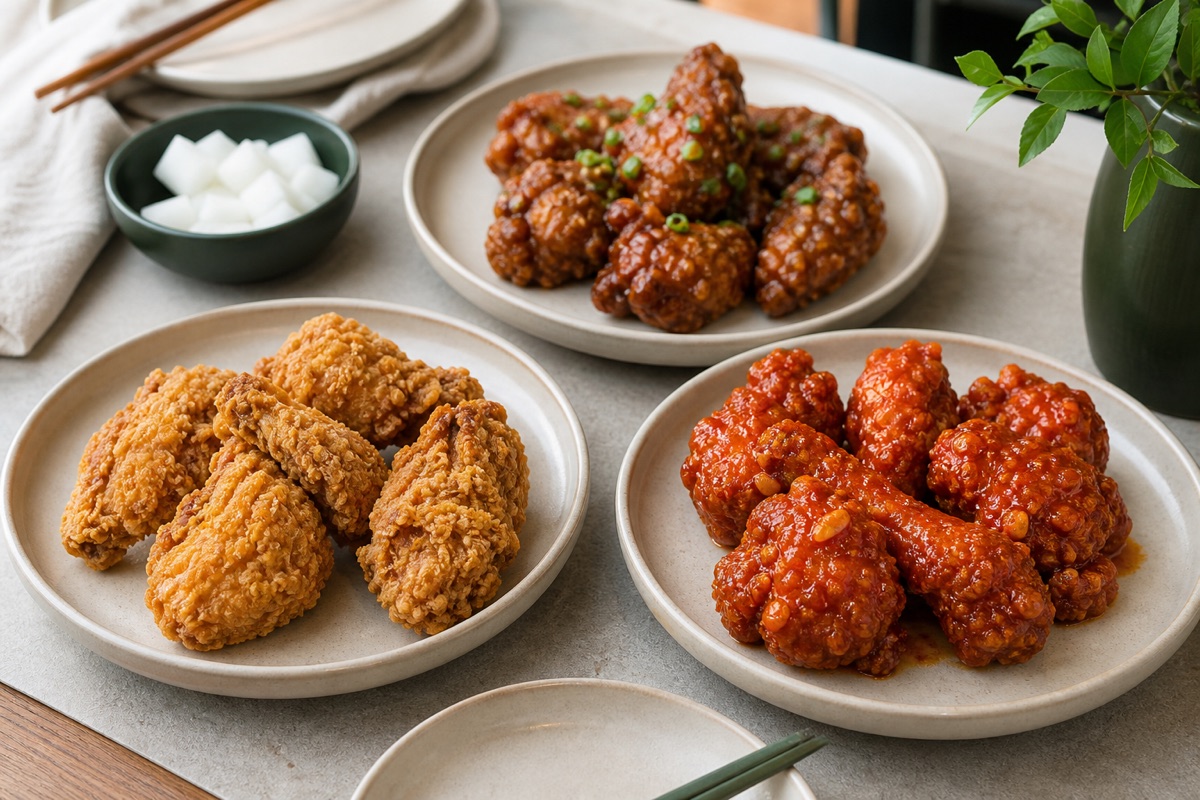
Korean fried chicken: plain, soy, or yangnyeom?
Korean fried chicken is often sold crisp and plain, glazed with soy-garlic sauce, or coated in sweet-spicy yangnyeom, with bone-in and boneless choices. Use this guide to recognize it, order with fewer surprises, and keep the next restroom stop in view.
02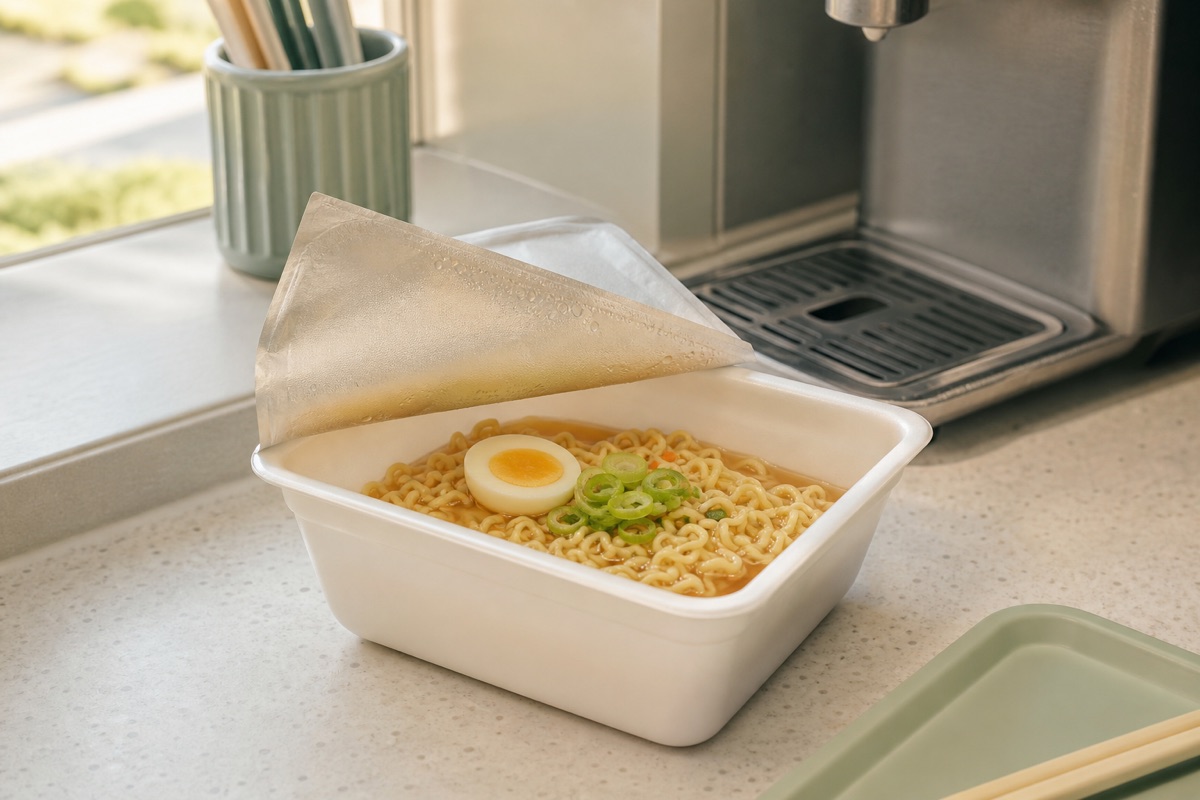
Convenience-store ramyeon, step by step
Many Korean convenience stores provide hot water or cooking machines for packaged ramyeon, but equipment, seating, and waste rules are not identical. Use this guide to recognize it, order with fewer surprises, and keep the next restroom stop in view.
05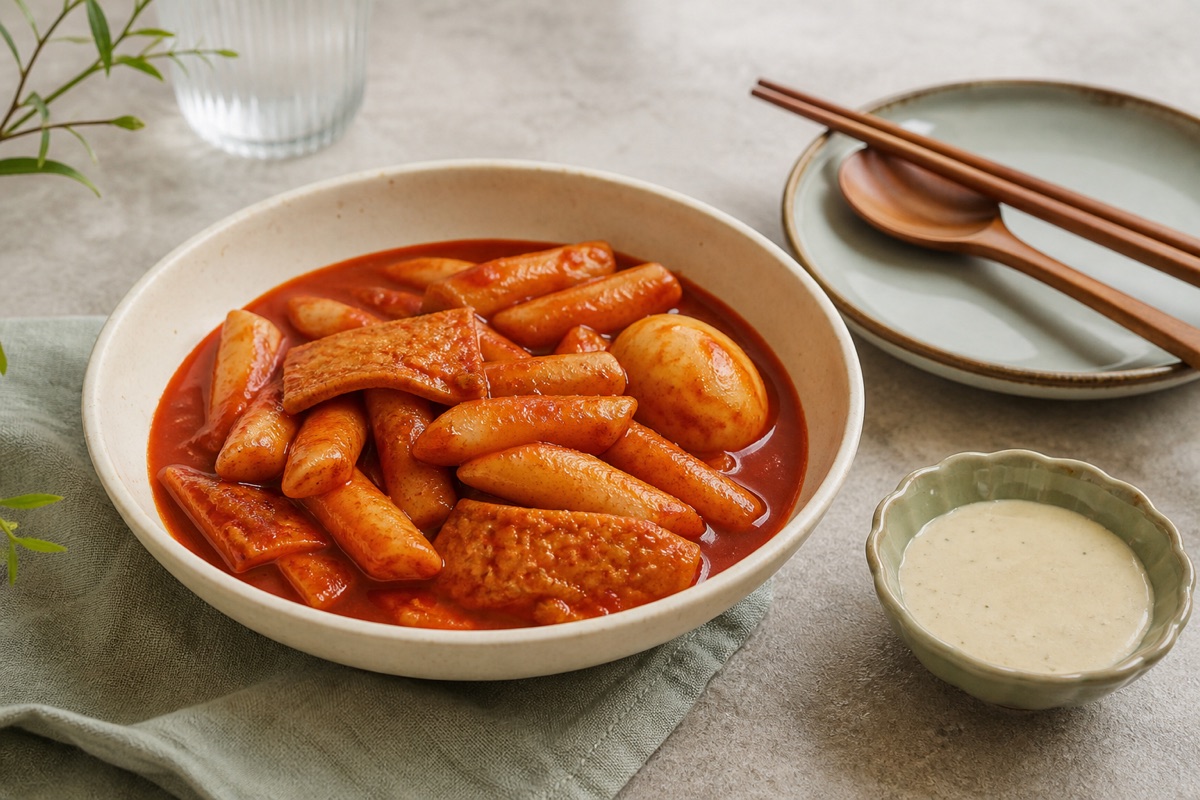
Tteokbokki: read the sauce before the color
Tteokbokki usually pairs chewy rice cakes with a red gochujang-based sauce, while cream, curry, and soy-based versions also appear. Use this guide to recognize it, order with fewer surprises, and keep the next restroom stop in view.
06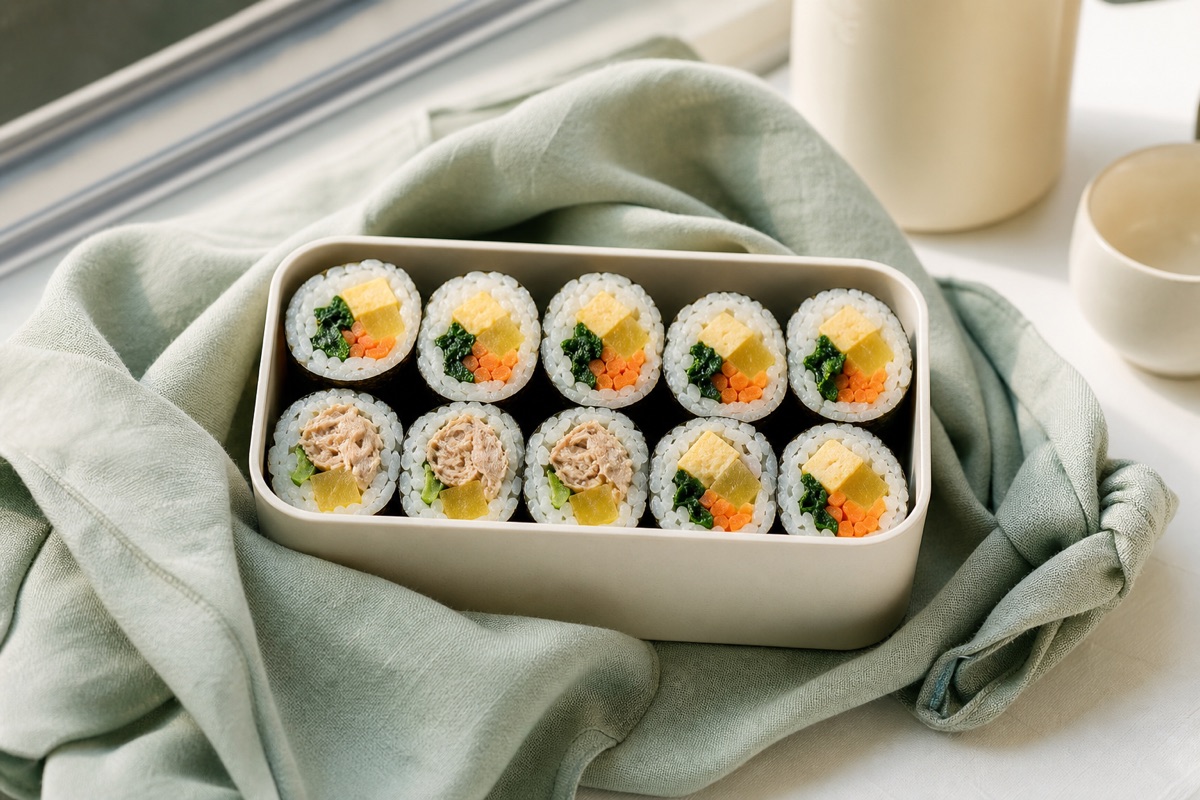
Gimbap for trains, parks, and quick meals
Gimbap rolls seasoned rice and varied fillings in seaweed; common fillings include egg, pickled radish, vegetables, meat, tuna, or cheese. Use this guide to recognize it, order with fewer surprises, and keep the next restroom stop in view.
09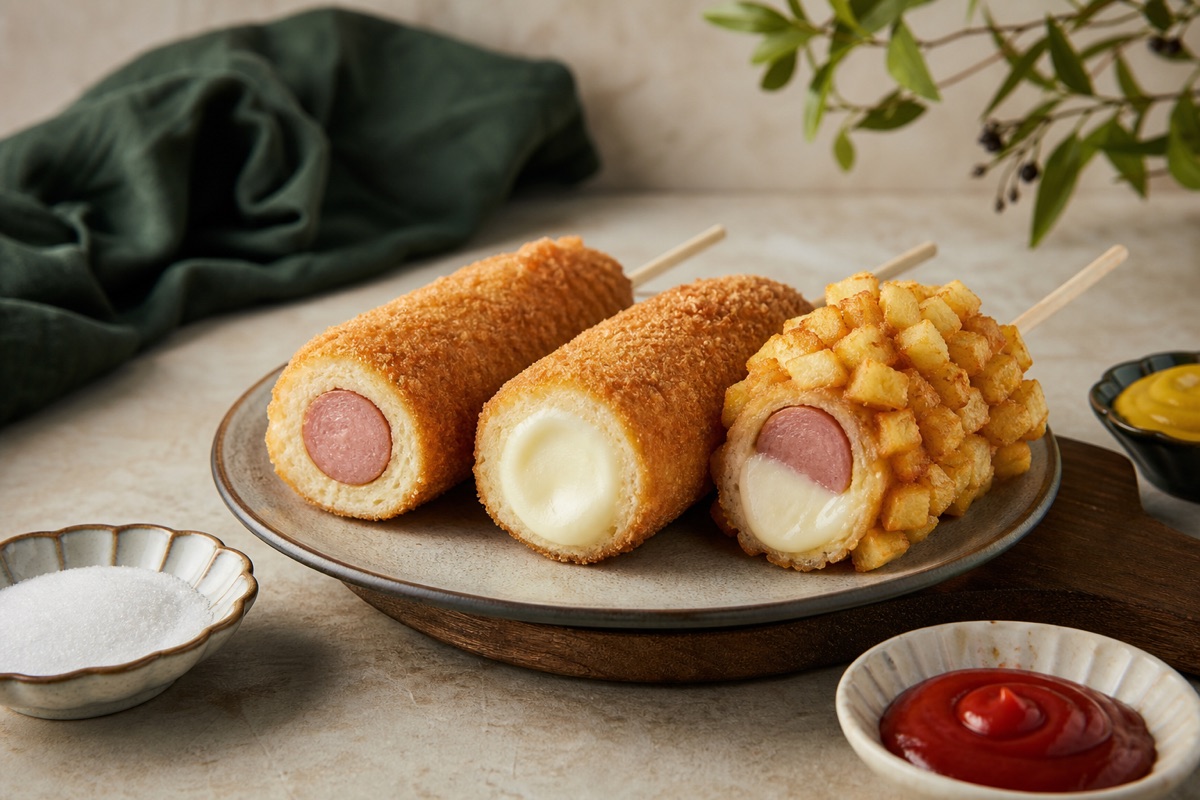
Korean corn dogs: choose the center first
A Korean corn dog may wrap sausage, cheese, or both in a fried batter and add potato cubes, crumbs, sugar, ketchup, mustard, or sauce. Use this guide to recognize it, order with fewer surprises, and keep the next restroom stop in view.
14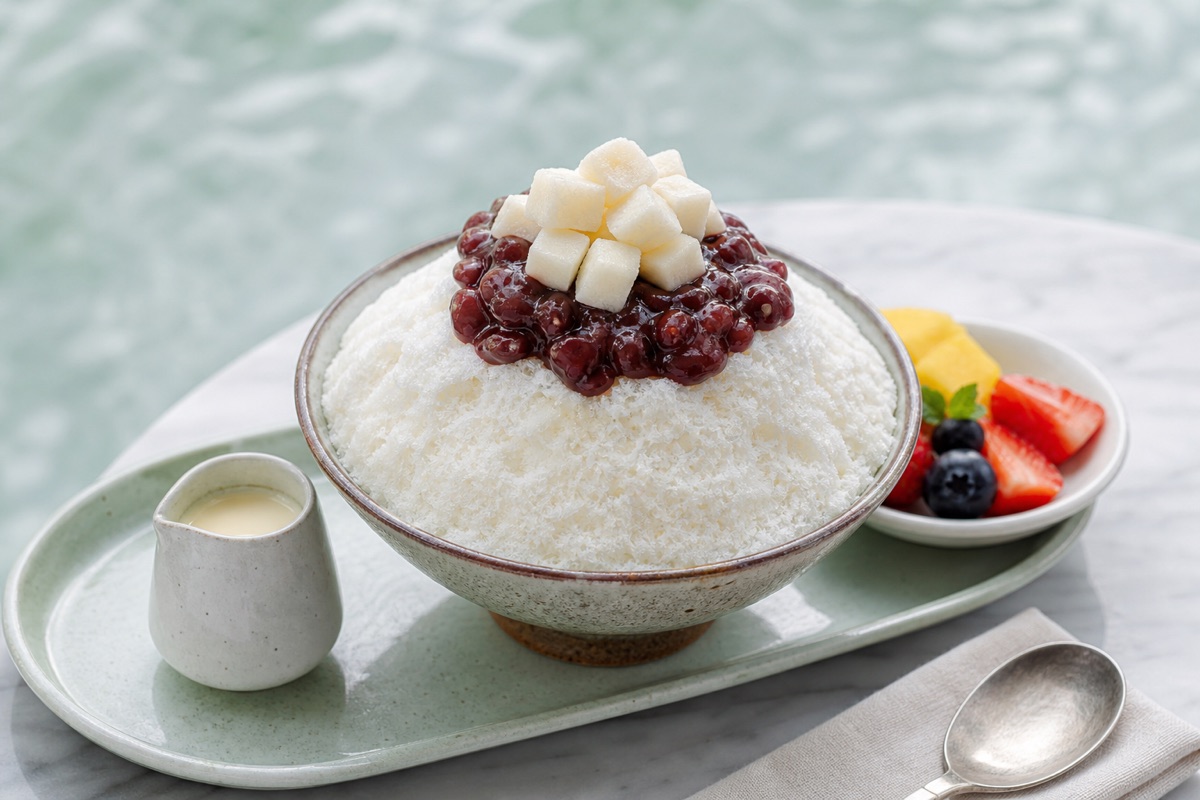
Bingsu: size the bowl before the toppings
Bingsu is finely shaved ice or frozen milk topped with combinations such as sweet red bean, fruit, rice cake, condensed milk, cereal, or ice cream. Use this guide to recognize it, order with fewer surprises, and keep the next restroom stop in view.
15Menu decoder
Kimchi is a family, not one side dish
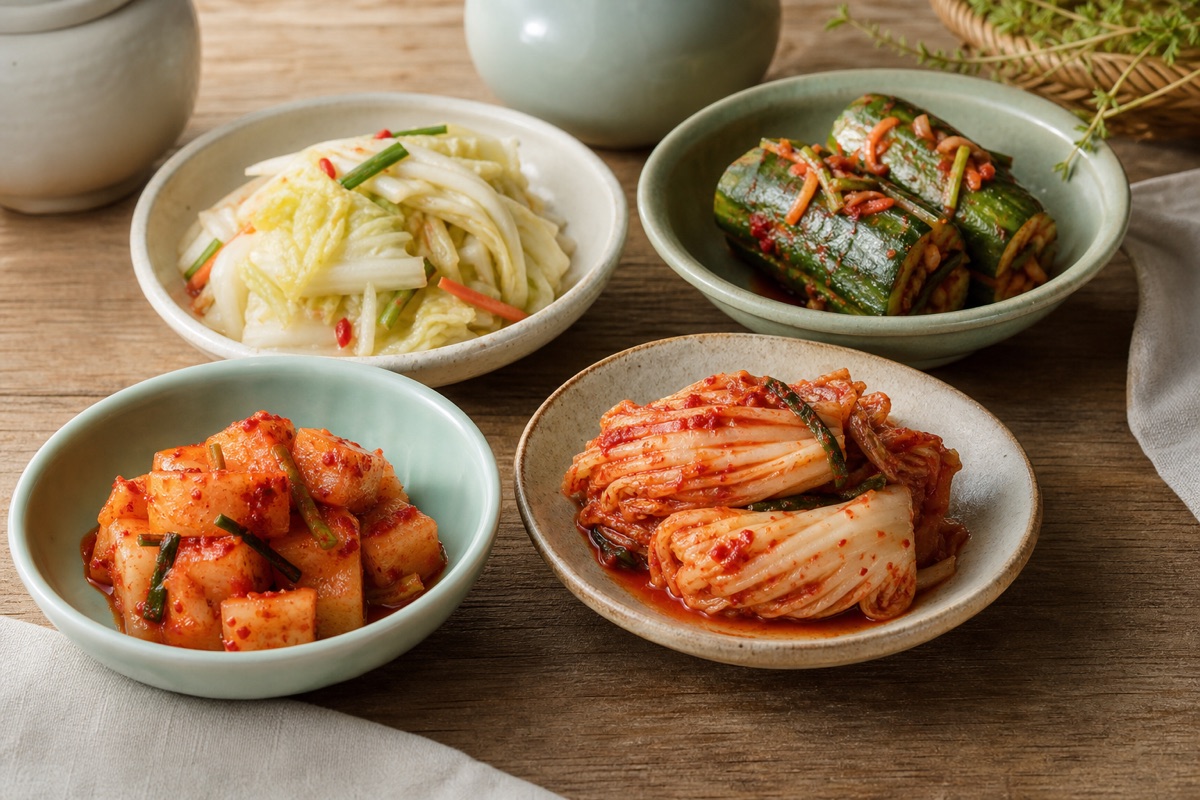
Baechu kimchi uses napa cabbage, kkakdugi uses cubed radish, and oi sobagi uses cucumber; seasoning and fermentation create very different textures and flavors. Use this guide to recognize it, order with fewer surprises, and keep the next restroom stop in view.
03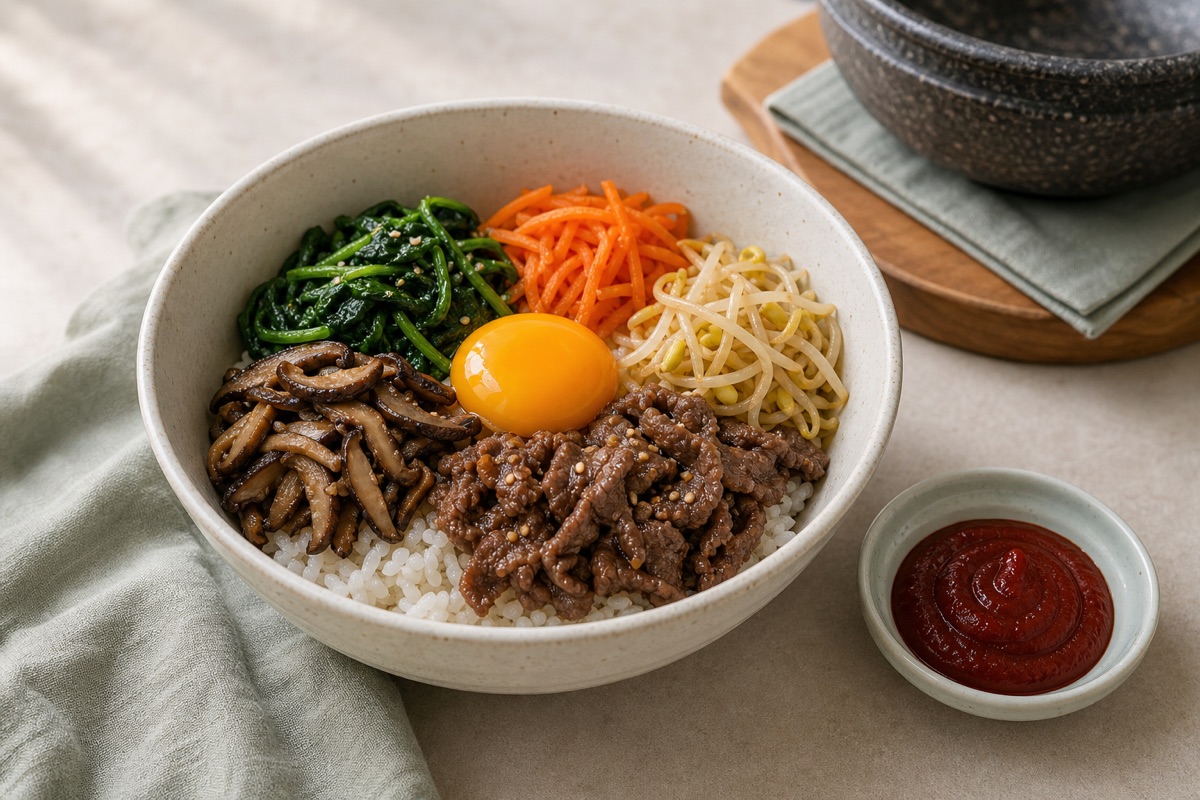
Bibimbap without the guesswork
Bibimbap combines rice with arranged vegetables and other toppings; dolsot bibimbap arrives in a hot stone bowl that crisps the rice. Use this guide to recognize it, order with fewer surprises, and keep the next restroom stop in view.
04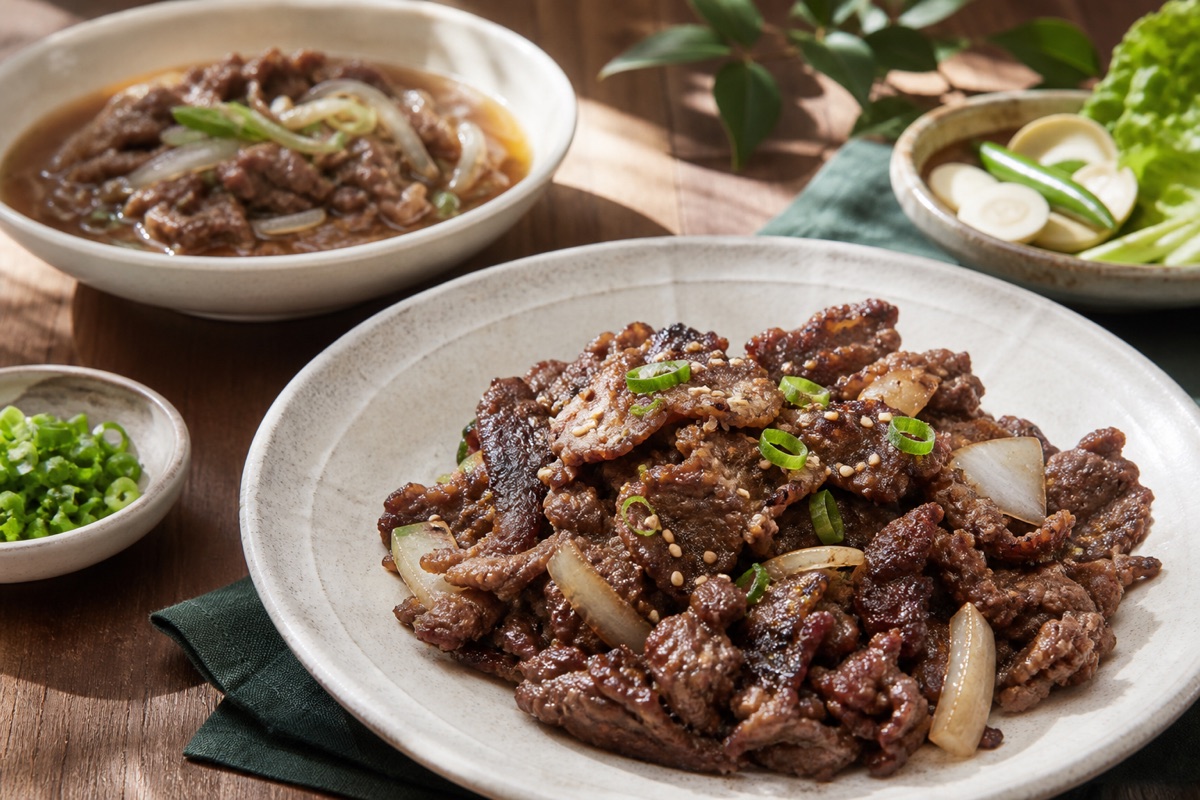
Bulgogi beyond “Korean barbecue”
Bulgogi is thinly sliced meat seasoned in a sweet-savory soy-based marinade; some versions are grilled while others cook with vegetables and broth. Use this guide to recognize it, order with fewer surprises, and keep the next restroom stop in view.
07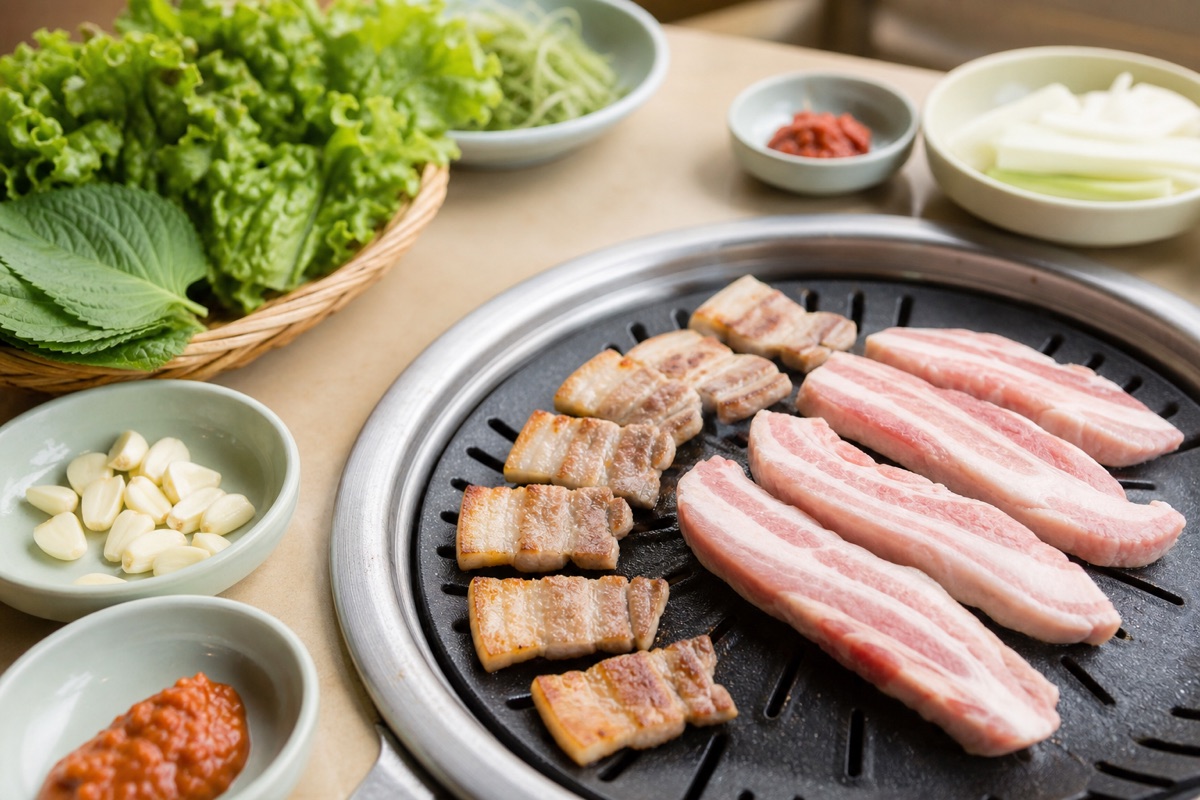
Samgyeopsal table etiquette in five minutes
Samgyeopsal is thick pork belly commonly cooked on a tabletop grill and eaten with lettuce, sauces, garlic, and shared side dishes. Use this guide to recognize it, order with fewer surprises, and keep the next restroom stop in view.
08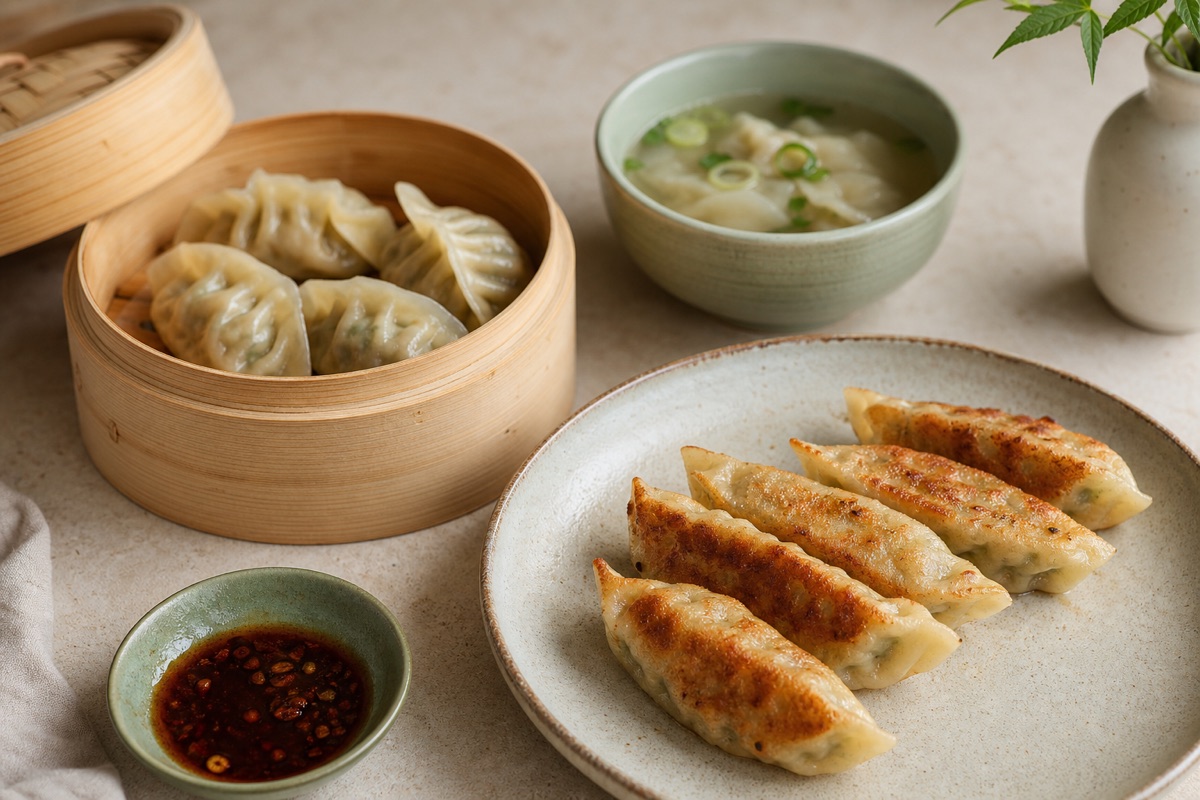
Mandu: steamed, boiled, fried, or in soup
Mandu are Korean dumplings with wrappers and fillings that may include meat, tofu, vegetables, glass noodles, or kimchi. Use this guide to recognize it, order with fewer surprises, and keep the next restroom stop in view.
10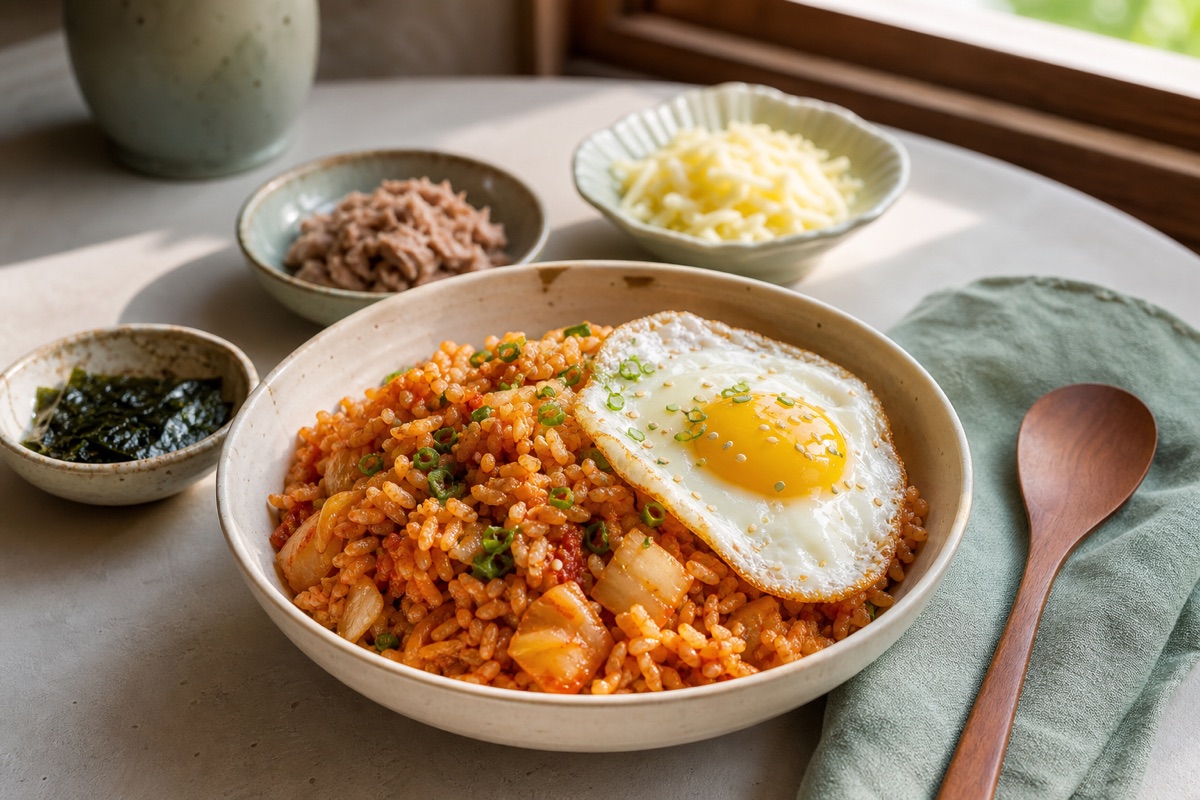
Kimchi fried rice: what may be hiding in the pan
Kimchi fried rice stir-fries rice with fermented kimchi and often adds pork, ham, tuna, egg, seaweed, cheese, or sesame oil. Use this guide to recognize it, order with fewer surprises, and keep the next restroom stop in view.
11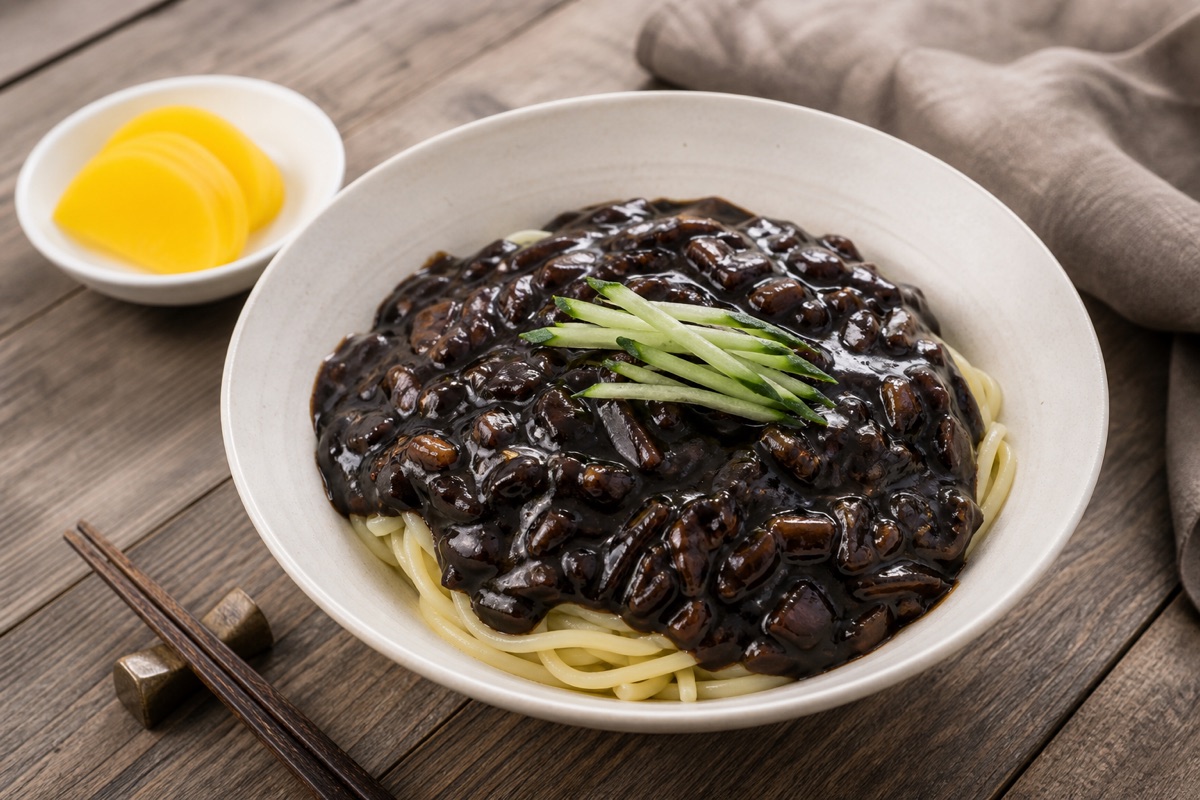
Jjajangmyeon: black bean sauce, not a heat warning
Jjajangmyeon covers wheat noodles with a dark chunjang sauce commonly cooked with diced pork, onion, and other vegetables. Use this guide to recognize it, order with fewer surprises, and keep the next restroom stop in view.
12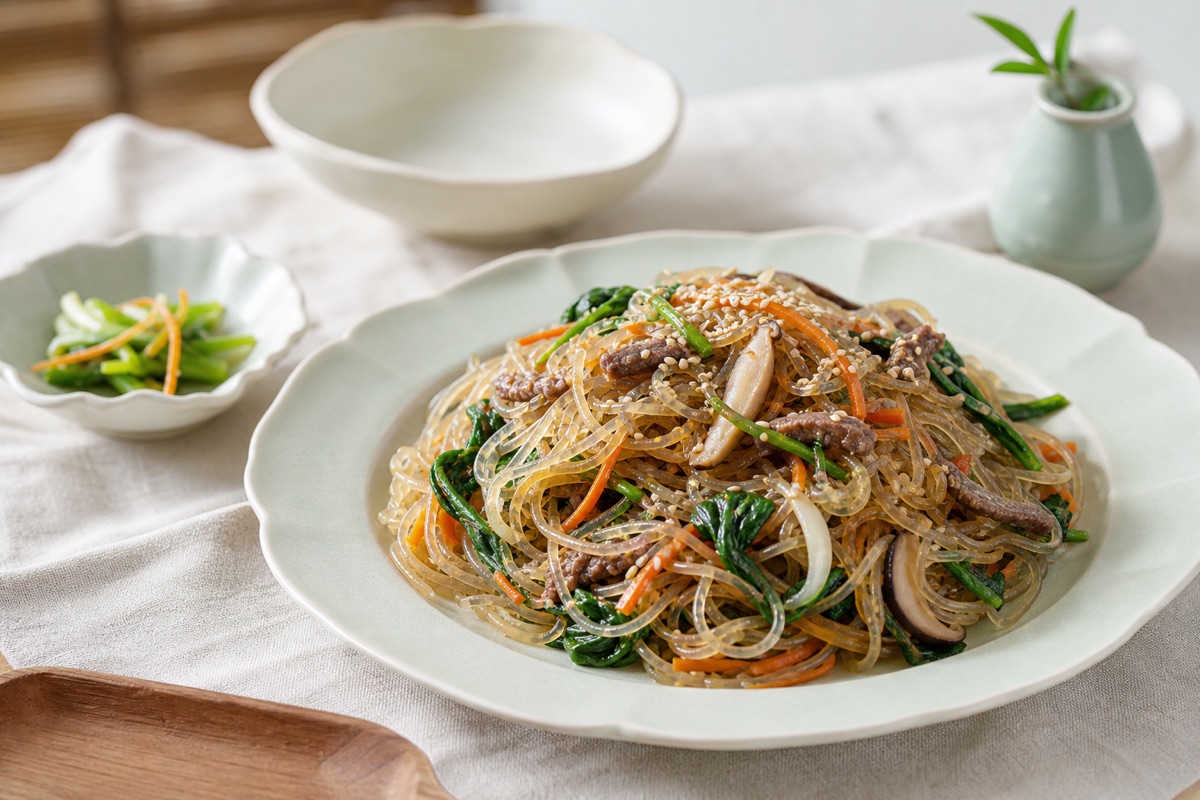
Japchae: the glossy noodles on the shared table
Japchae uses springy sweet-potato starch noodles tossed with vegetables, soy seasoning, sesame oil, and sometimes beef or other additions. Use this guide to recognize it, order with fewer surprises, and keep the next restroom stop in view.
13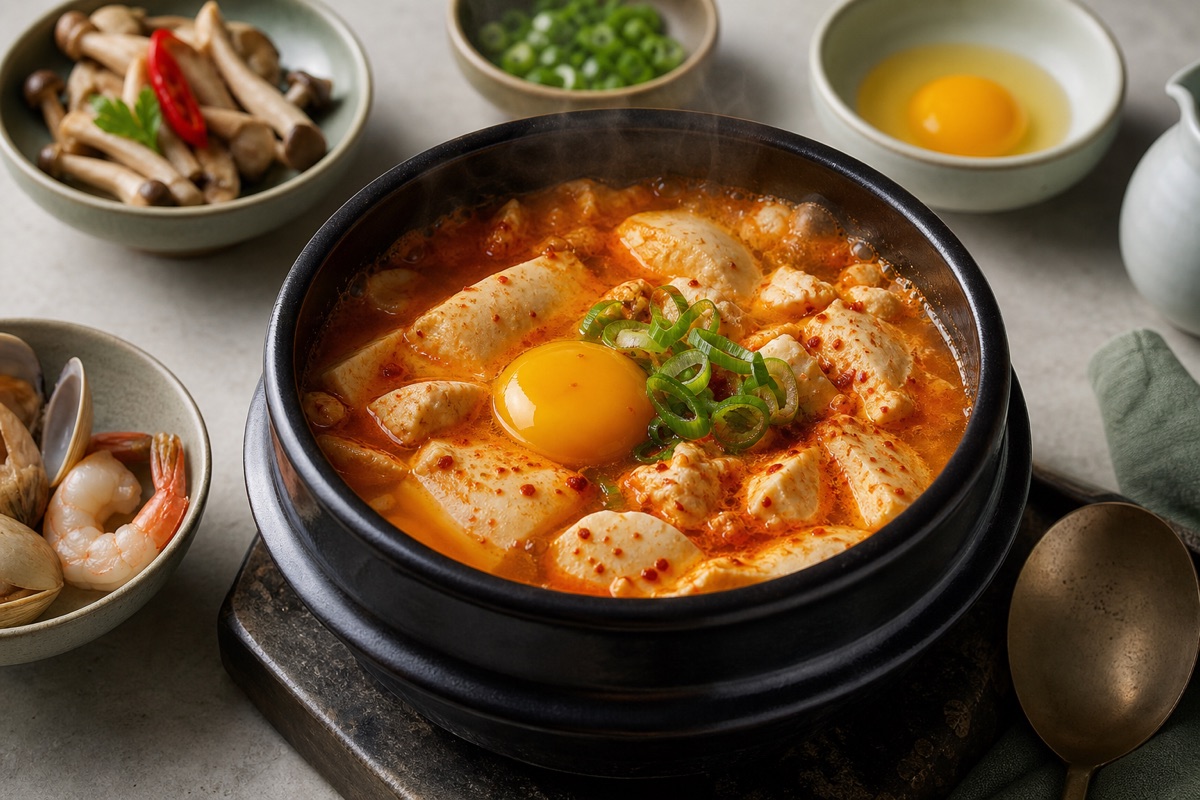
Sundubu-jjigae: tofu, broth, and the red surface
Sundubu-jjigae is a bubbling soft-tofu stew that may include seafood, pork, beef, mushrooms, or kimchi and often arrives with an egg. Use this guide to recognize it, order with fewer surprises, and keep the next restroom stop in view.
16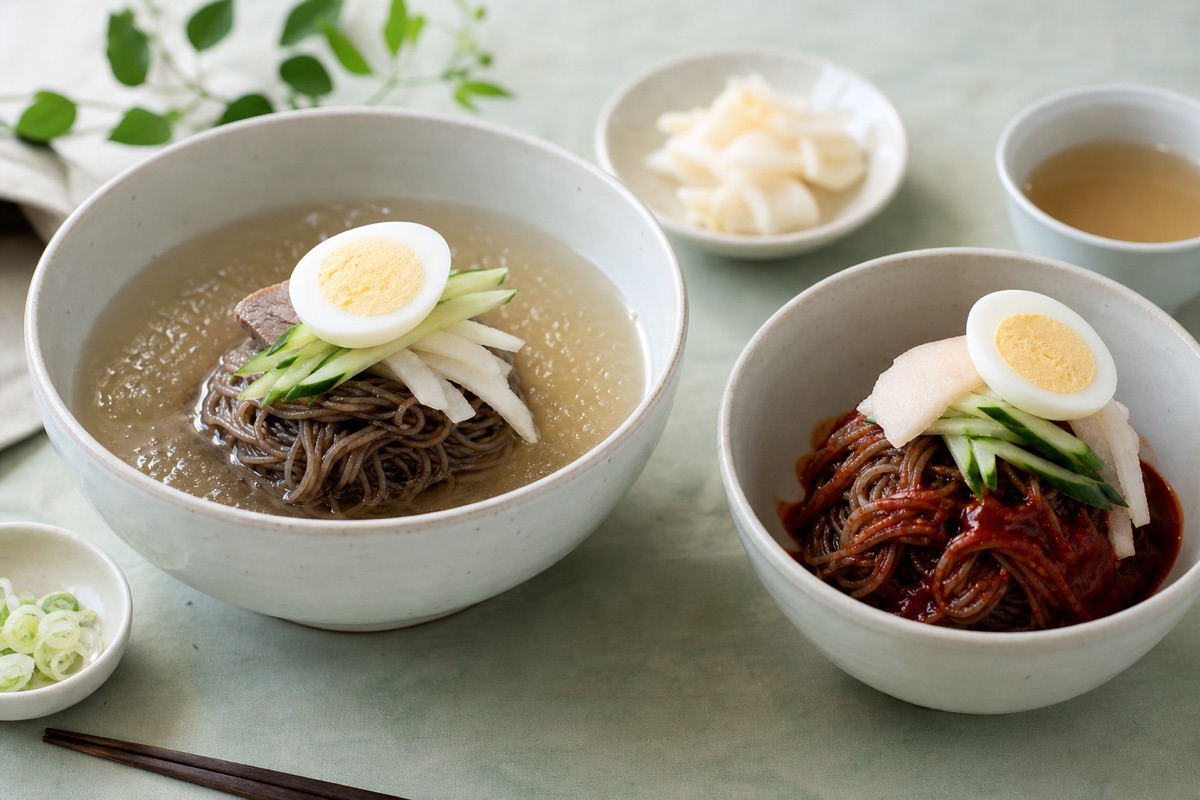
Naengmyeon: cold broth or mixed sauce?
Mul-naengmyeon serves chewy cold noodles in chilled broth, while bibim-naengmyeon mixes them with a red sweet-spicy sauce. Use this guide to recognize it, order with fewer surprises, and keep the next restroom stop in view.
17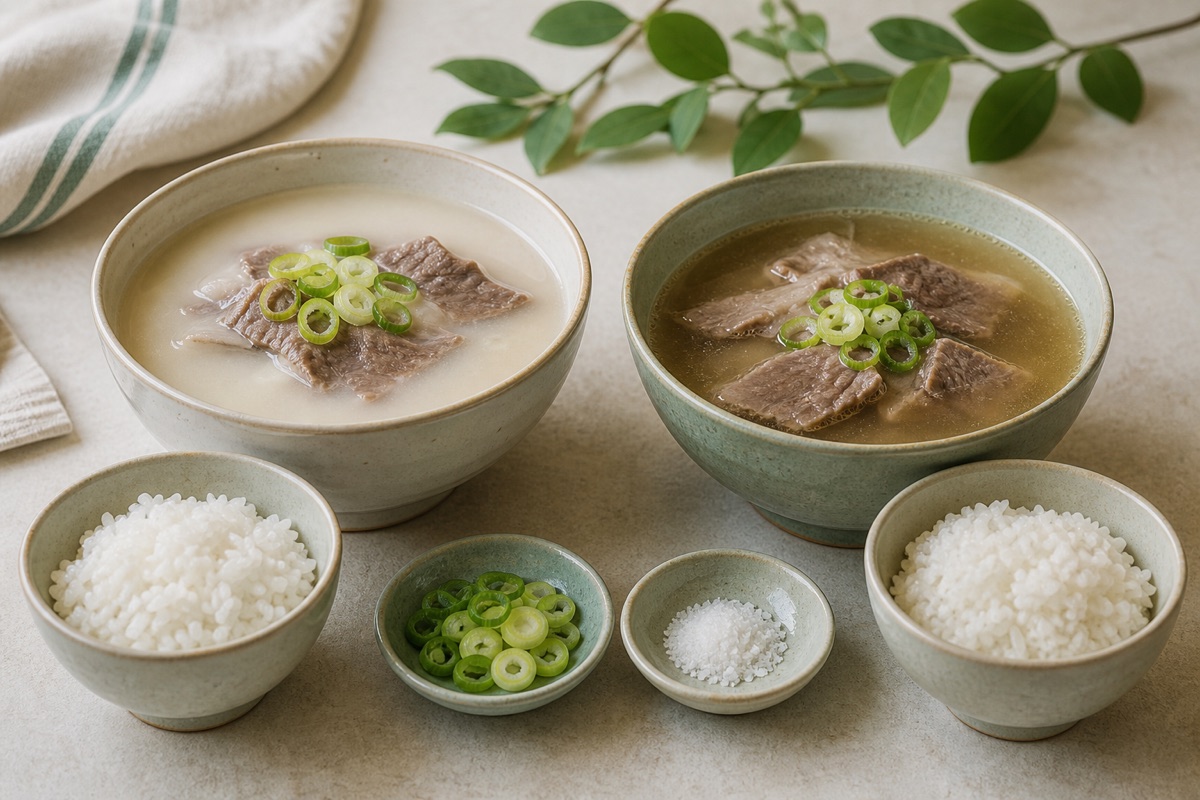
Seolleongtang and gomtang: two beef soups, different clues
Seolleongtang is known for a pale, milky-looking beef-bone broth, while gomtang commonly refers to a clearer beef soup, though naming is not perfectly uniform. Use this guide to recognize it, order with fewer surprises, and keep the next restroom stop in view.
18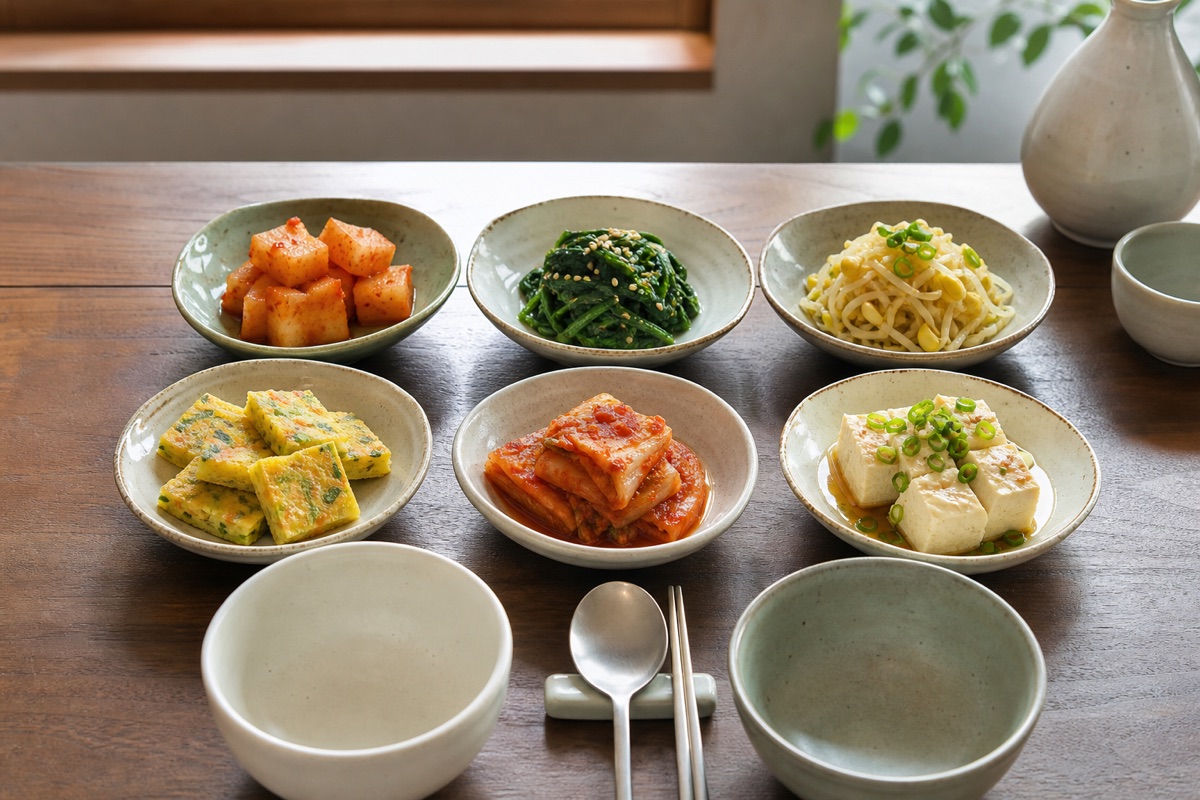
Banchan: how the shared side dishes work
Banchan are small dishes placed around the main meal and may include kimchi, seasoned vegetables, pickles, egg, tofu, fish, or other changing items. Use this guide to recognize it, order with fewer surprises, and keep the next restroom stop in view.
19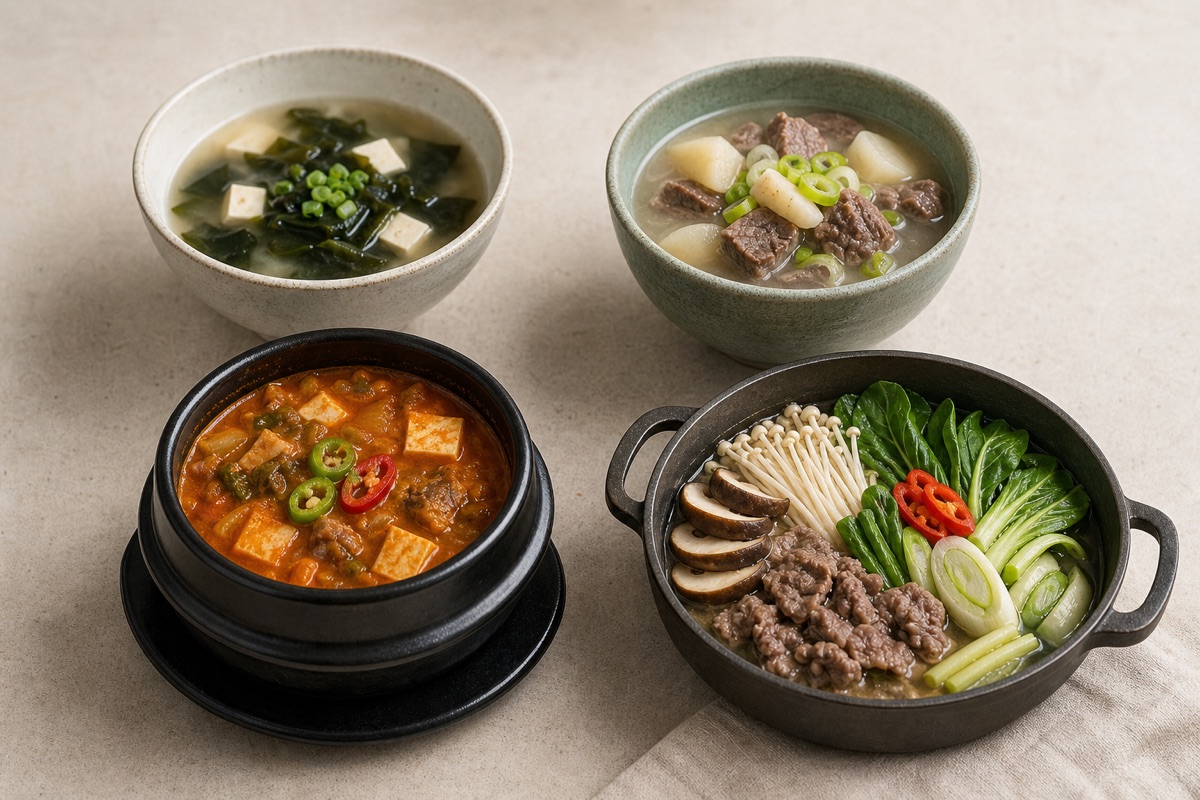
Guk, tang, jjigae, jeongol: a soup-name glossary
Guk and tang generally name soup-like dishes, jjigae is commonly a more concentrated stew, and jeongol is assembled and simmered at the table, but boundaries overlap. Use this guide to recognize it, order with fewer surprises, and keep the next restroom stop in view.
20Restroom-aware routes
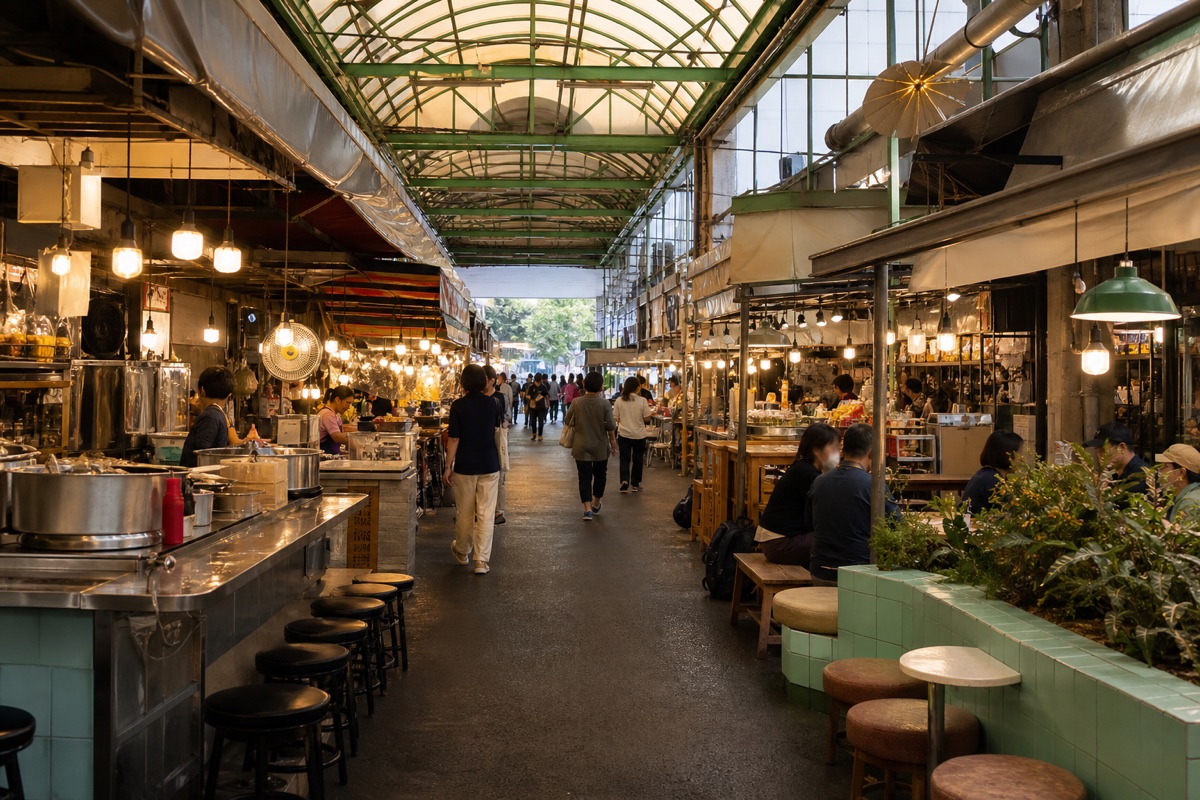
Gwangjang Market: one loop, three decisions
Begin at Jongno 5-ga Station, confirm the station restroom, then enter Gwangjang Market for one compact loop rather than crossing every aisle. Use this guide to recognize it, order with fewer surprises, and keep the next restroom stop in view.
21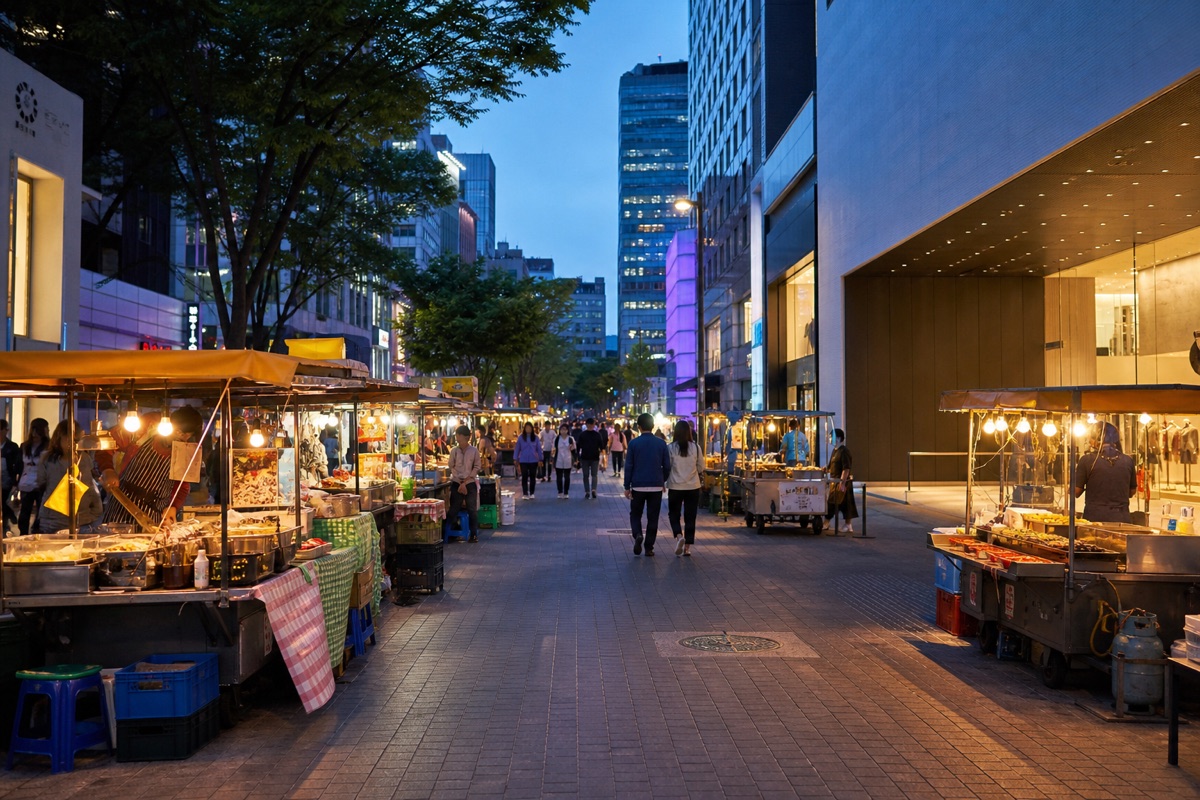
Myeongdong street food without the zigzag
Use Myeongdong Station as the fixed start, check facilities inside, then walk one main shopping corridor before deciding whether to add a side street. Use this guide to recognize it, order with fewer surprises, and keep the next restroom stop in view.
22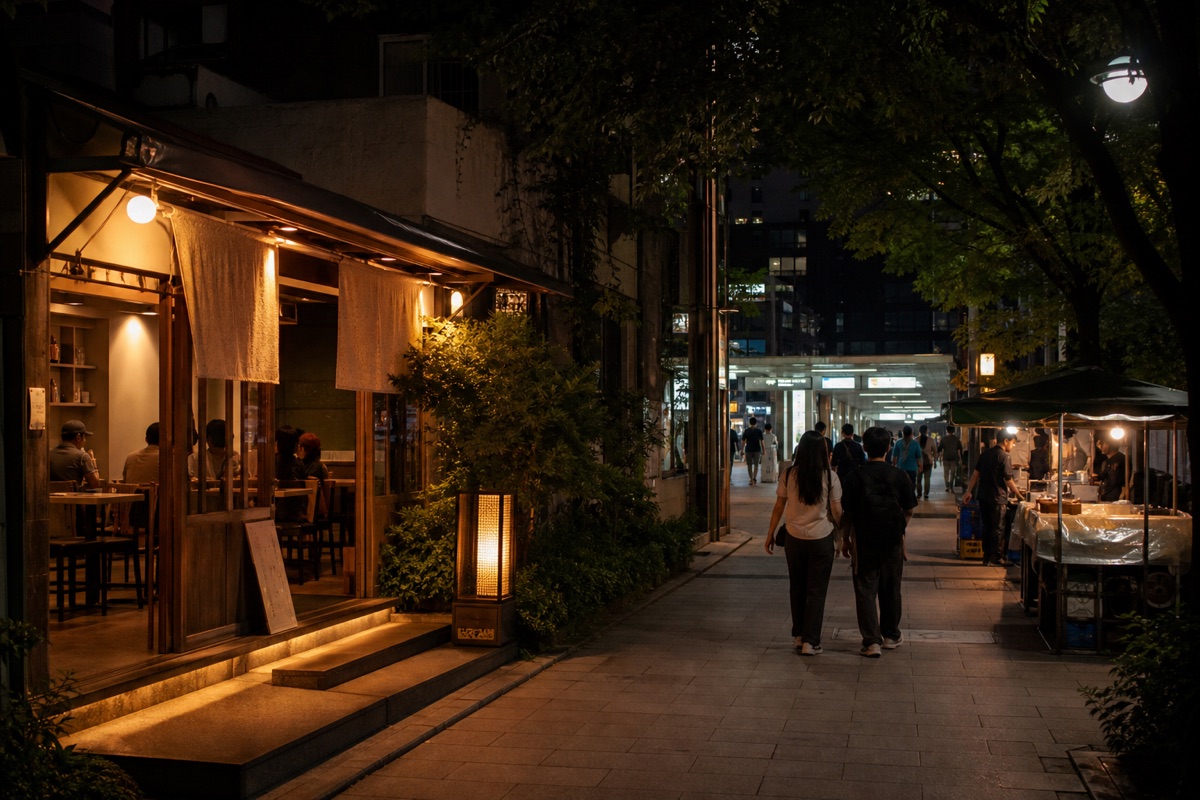
Hongdae after dark: a short late-night food route
Start at Hongik University Station and pick one district block for dinner, one optional dessert or snack, and a direct return route. Use this guide to recognize it, order with fewer surprises, and keep the next restroom stop in view.
23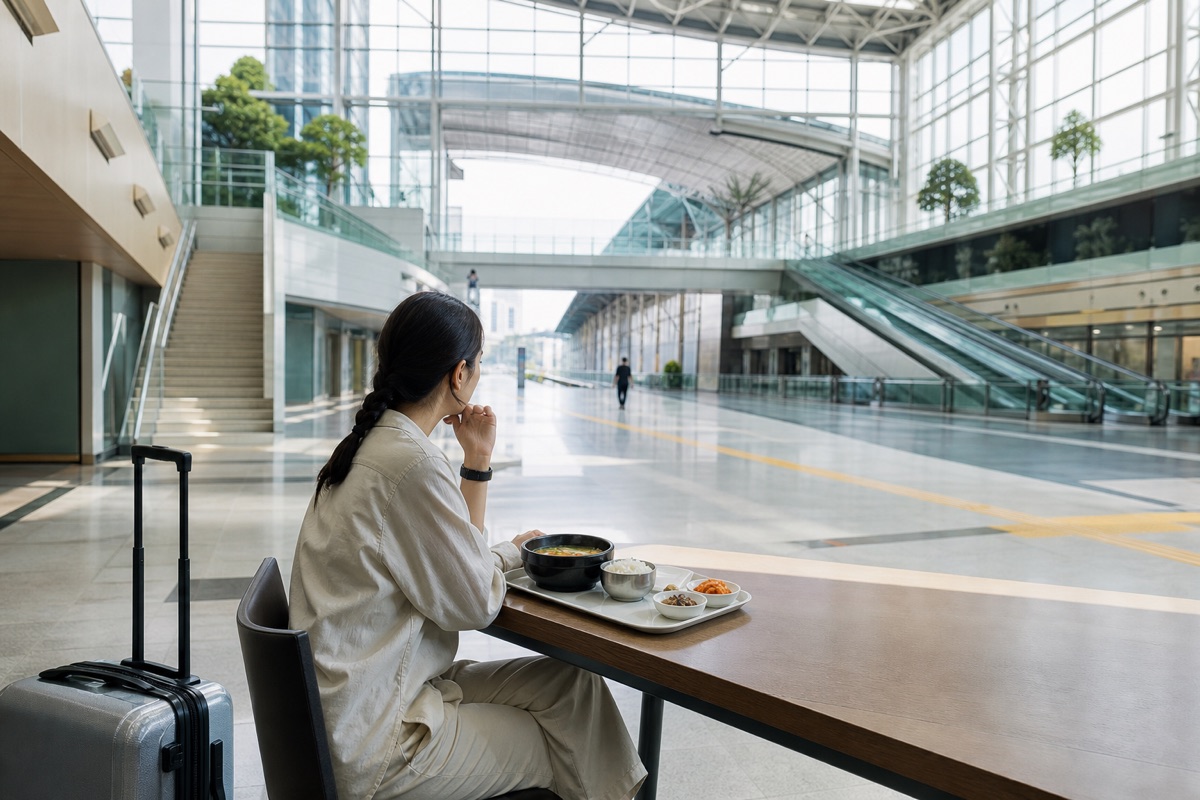
Seoul Station: a first-meal route after arrival
Before leaving Seoul Station, locate a restroom, check luggage and transit needs, and decide whether the first meal belongs inside the complex or after a short walk. Use this guide to recognize it, order with fewer surprises, and keep the next restroom stop in view.
24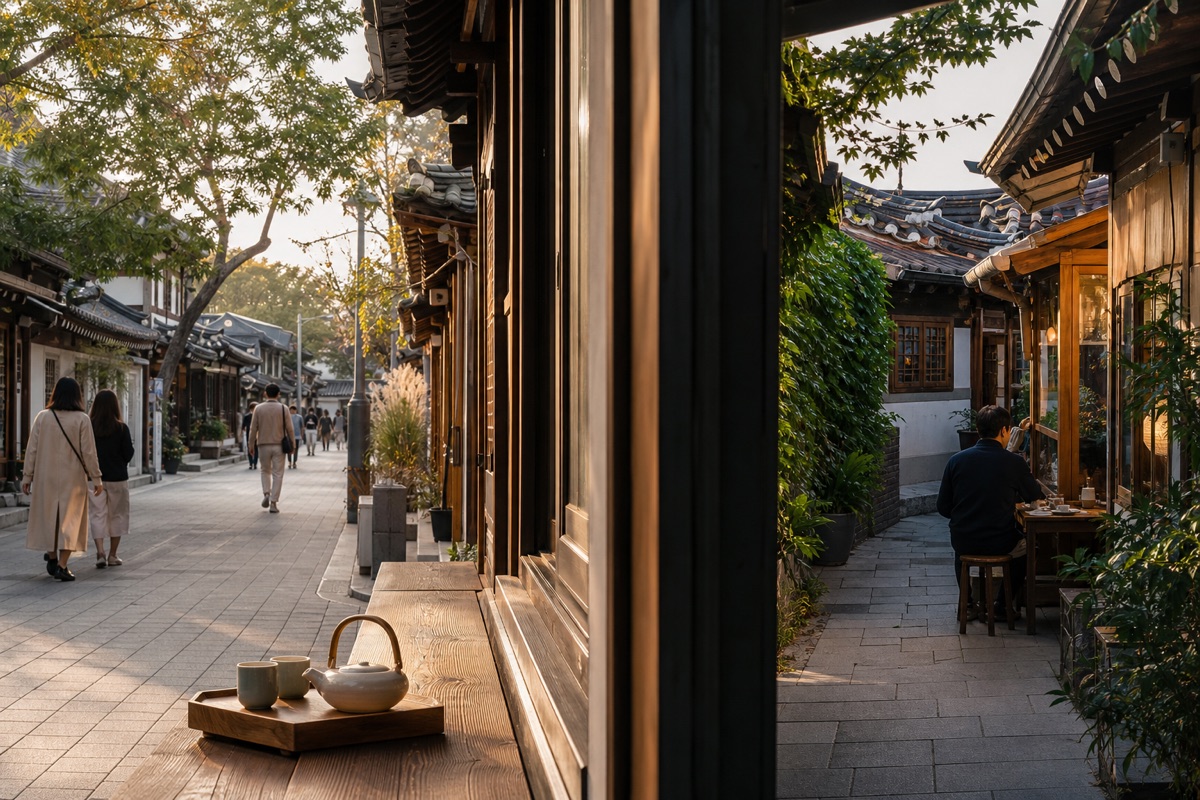
Insadong to Ikseondong: tea, alleys, and one meal
Use Anguk Station as the base, walk one Insadong spine, pause for tea or a meal, then add Ikseondong’s smaller alleys only if the route still feels manageable. Use this guide to recognize it, order with fewer surprises, and keep the next restroom stop in view.
25Useful Korean
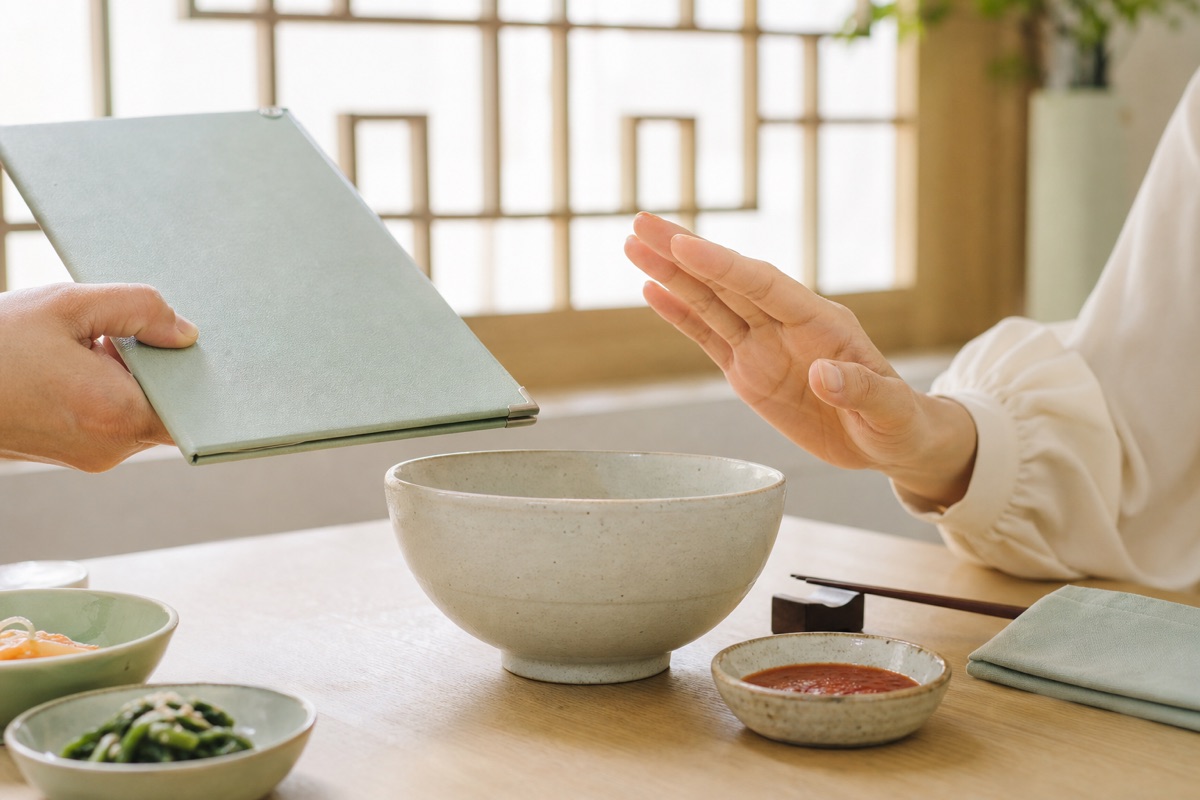
Less spicy, sauce separate: Korean phrases that help
Start with “덜 맵게 해 주세요” (Please make it less spicy) or “소스는 따로 주세요” (Please put the sauce on the side). Use this guide to recognize it, order with fewer surprises, and keep the next restroom stop in view.
26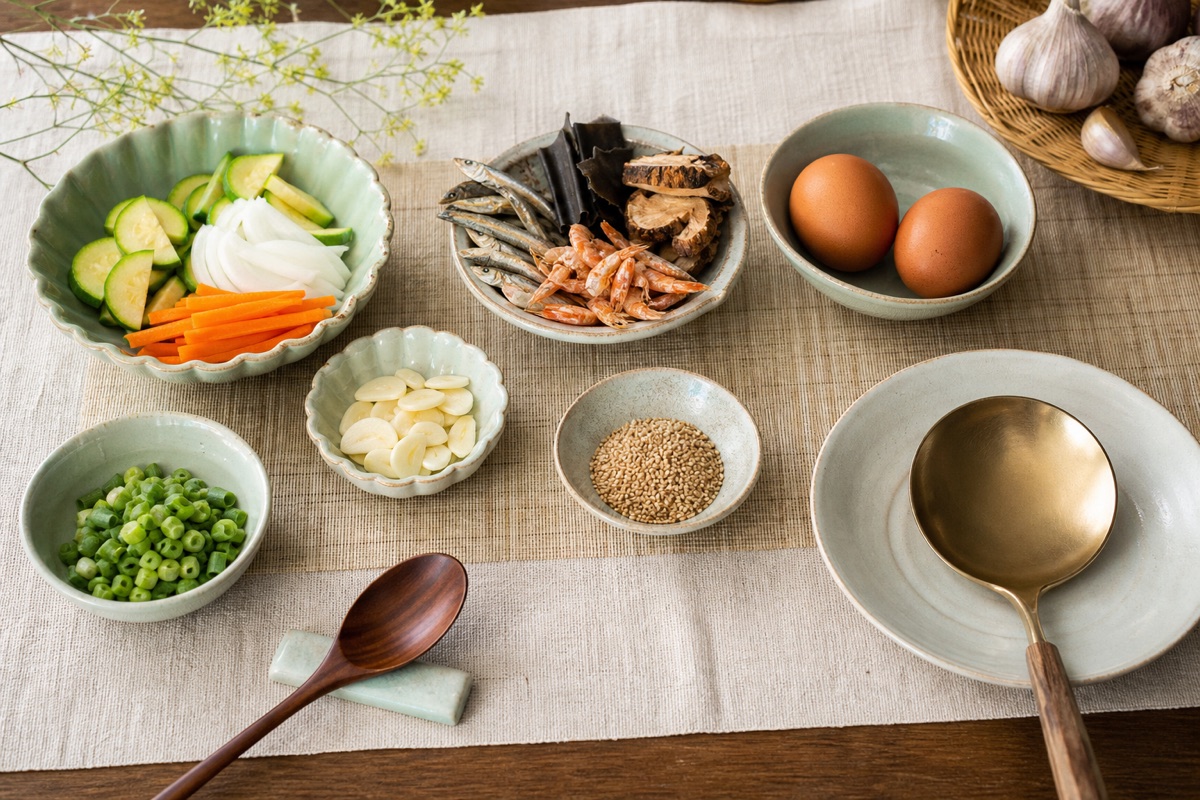
Ask about ingredients, allergies, and vegetarian food
Use “이 음식에 ___ 들어가요?” (Does this contain ___?) and name the exact ingredient instead of relying only on a broad label. Use this guide to recognize it, order with fewer surprises, and keep the next restroom stop in view.
27Comfort-first planning
Travel health
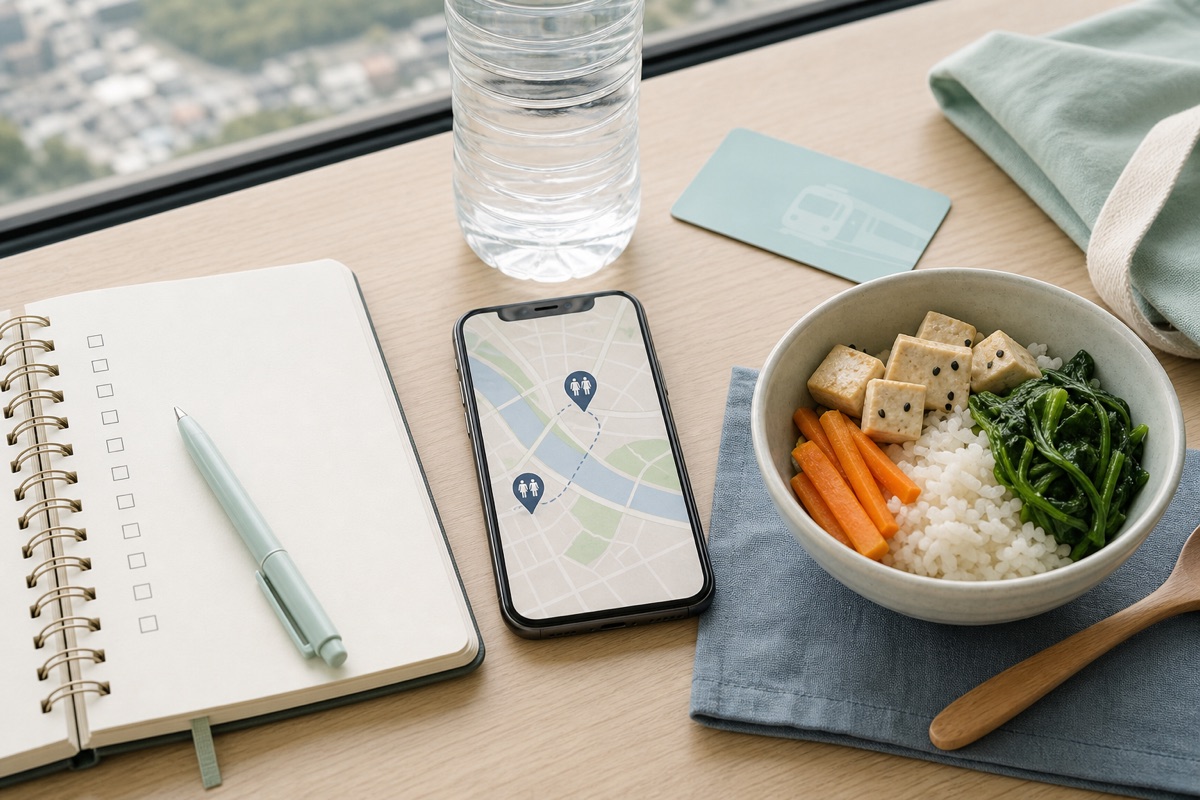
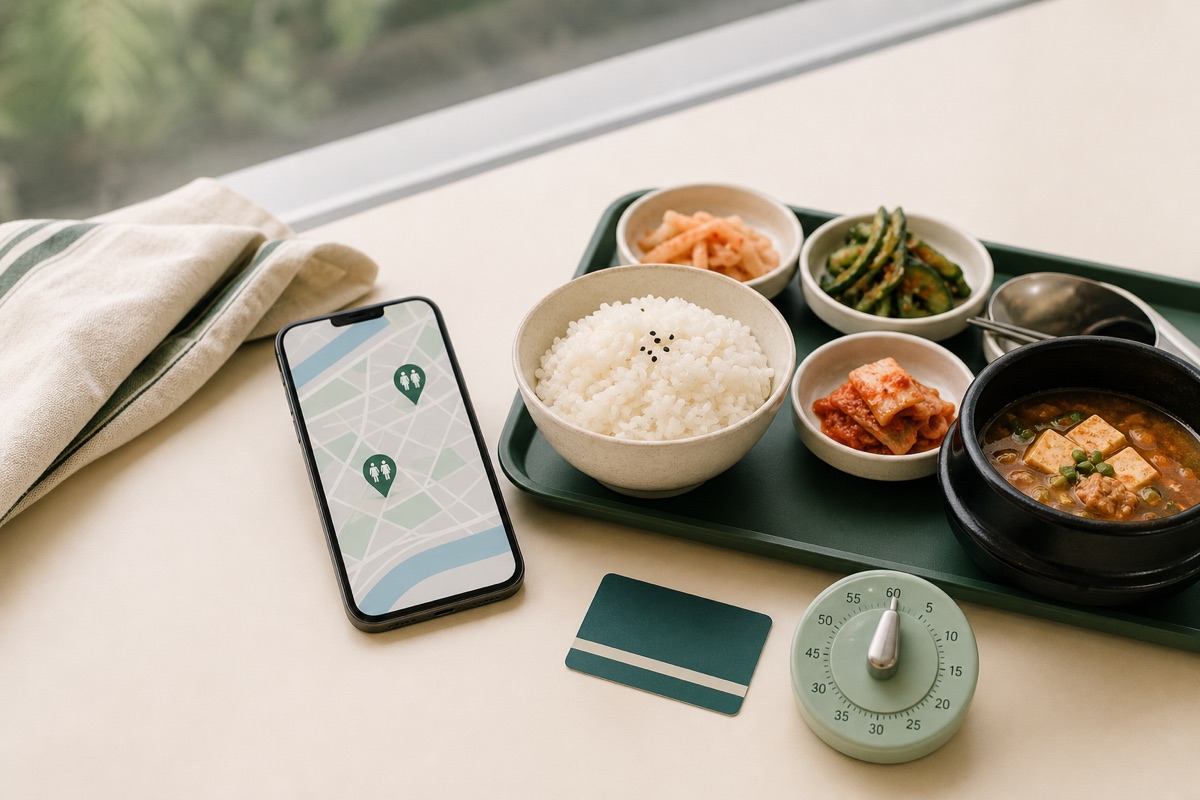
Travelling in Seoul with IBS
IBS patterns and food tolerance differ by person, so travel works best when it extends a plan already tested at home rather than introducing a universal restricted-food list. Use this guide to recognize it, order with fewer surprises, and keep the next restroom stop in view.
29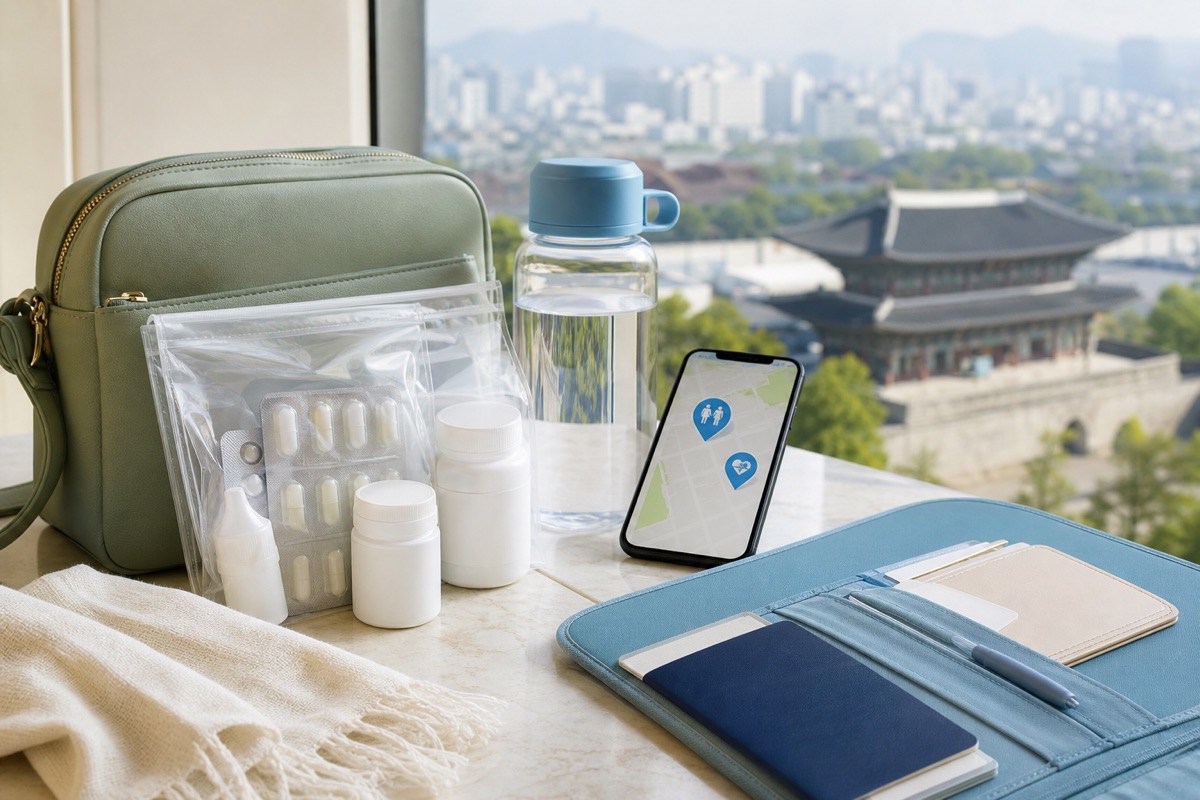
Travelling in Seoul with Crohn’s disease or IBD
Crohn’s disease and other inflammatory bowel diseases are not the same as IBS; diet does not replace medical care, and individual needs can change with disease activity and treatment. Use this guide to recognize it, order with fewer surprises, and keep the next restroom stop in view.
30